Start with 3 drops in a 100–150 mL diffuser for 30 minutes before bed.
How to use →Lavender Essential Oil Benefits: Everyday Uses & How-To Guide
Use lavender oil in simple diffuser, body-care, hair-care and fresh-home routines—with exact amounts, easy recipes and safer-use guidance.
Dilute 3 drops in 15 mL carrier oil, patch-test and use as a wash-out scalp ritual.
Full guide →Begin with 2 drops per 10 mL carrier oil and patch-test the finished blend first.
Learn more →Diffuse briefly or smell one drop from a scent strip as part of a quiet pause.
See evidence limits →
WHAT LAVENDER CAN ADD TO YOUR ROUTINE
10 everyday uses and potential benefits—at a glance.
Evening wind-down
A soft aroma cue for the transition from screens to bedtime.
Sensory pause
A familiar scent can mark a brief break in a busy day.
Diluted body care
Add fragrance to a carrier oil; patch-test before wider use.
Scalp & hair ritual
Use in a wash-out carrier-oil treatment for aroma, not regrowth claims.
Head & neck ritual
Pair low dilution with gentle touch; persistent pain needs medical care.
Workday atmosphere
Choose brighter Lavandin with citrus for a fresh-feeling desk space.
Fresh-smelling home
Bring a botanical finish to routine cleaning without disinfection claims.
Outdoor scent
Enjoy the aroma, but use an EPA-evaluated repellent when protection matters.
Pet-aware use
Never apply to pets; diffuse briefly only where they can leave.
Mindful ritual
Pair the aroma with journaling, breathing or a quiet transition.
Evidence note: Human research is mixed and does not establish lavender aromatherapy as medical treatment. The full guide separates evidence, tradition and practical sensory use.
USE IT WITH CONFIDENCE
Everyday benefits, clear limits and safer habits.
Lavender essential oil can add fragrance and structure to daily routines. These practical ideas are kept separate from medical claims, with simple safety limits beside every method.
Sleep, stress and anxiety
NCCIH says it is unclear whether lavender aromatherapy benefits anxiety, stress, pain, sleep quality or insomnia. Some people report improved quality of life, but stronger research is needed.
Aroma and routine
A diffuser, scent strip or diluted body oil can add fragrance and mark a repeatable pause. That describes the experience—not a guaranteed change in health.
Possible reactions
Lavender aromatherapy may cause headache or coughing, and topical products may cause allergic skin reactions. Stop use if discomfort appears.
No treatment promises
FDA explains that claims to treat anxiety, relieve pain, relax muscles or help people sleep are drug claims. This guide does not make those promises.
Primary sources: NCCIH: Lavender—Usefulness and Safety · FDA: Aromatherapy. Last source review: August 8, 2026.
SAFE-USE GUIDE
Six ways to use lavender—with zero guesswork.
Start with the headline amounts, then open the complete guide for steps, carrier ratios and cautions.
Diffuse
Per 100–150 mL water, for 30–60 minutes.
Cotton pad
Place near—not under—your pillow as an aroma cue.
Diluted body oil
2–4 drops per 10 mL carrier; patch-test first.
Scalp ritual
In 15 mL carrier oil; wash out after 20 minutes.
Bath
Premix in 15 mL fragrance-free bath base.
Fresh-home spray
For scent only; not a disinfectant claim.
OPEN THE COMPLETE SAFE-USE GUIDE →External use only · Keep away from eyes · Never apply to pets
LAVENDER ESSENTIAL OIL BLEND LIBRARY
12 open recipes. Exact amounts. No guesswork.
Browse every diffuser, inhaler, body-care and fresh-home formula without an account or paywall.
✦ FREE PUBLIC RECIPE LIBRARY
No account, purchase or subscription required.Every formula is openly available.
See full drop counts, precise directions, carrier volumes and safety notes.
No matching recipes. Try another oil or mood.
OPEN THE COMPLETE LAVENDER BLEND GUIDE →
TYPE
01TRUE LAVENDER
01TRUE LAVENDER
Lavender Essential Oil Guide
True Lavender Essential Oil
Lavandula angustifolia
Start with 3 drops in a 100 mL diffuser for an evening wind-down, or dilute 2 drops in 10 mL jojoba for an aromatic body oil. Choose True Lavender when you want a softer floral-herbal profile.
✓Botanical profile◇Safer-use notes⌁Measured recipes
ABOUT THIS GUIDE
Measured recipes, clear evidence limits and named sources.
Lavender Essential Oil Note organizes practical lavender oil uses, measured aroma recipes and conservative starting amounts in one place.
Each guide separates sensory use from medical claims, links to public sources where appropriate and identifies situations that need professional advice.
MEASURED AMOUNTSExact drops, carrier volumes and timing
EVIDENCE-AWAREResearch, tradition and sensory use separated
SAFETY FIRSTDilution, stop signs and pet-aware limits
Published by Lavender Essential Oil Note. We do not claim medical or professional aromatherapy credentials. Guidance supports responsible aromatic use and does not replace advice from a qualified healthcare professional. Updated August 8, 2026.
ORIGIN · DISTILLATION · CHEMISTRY
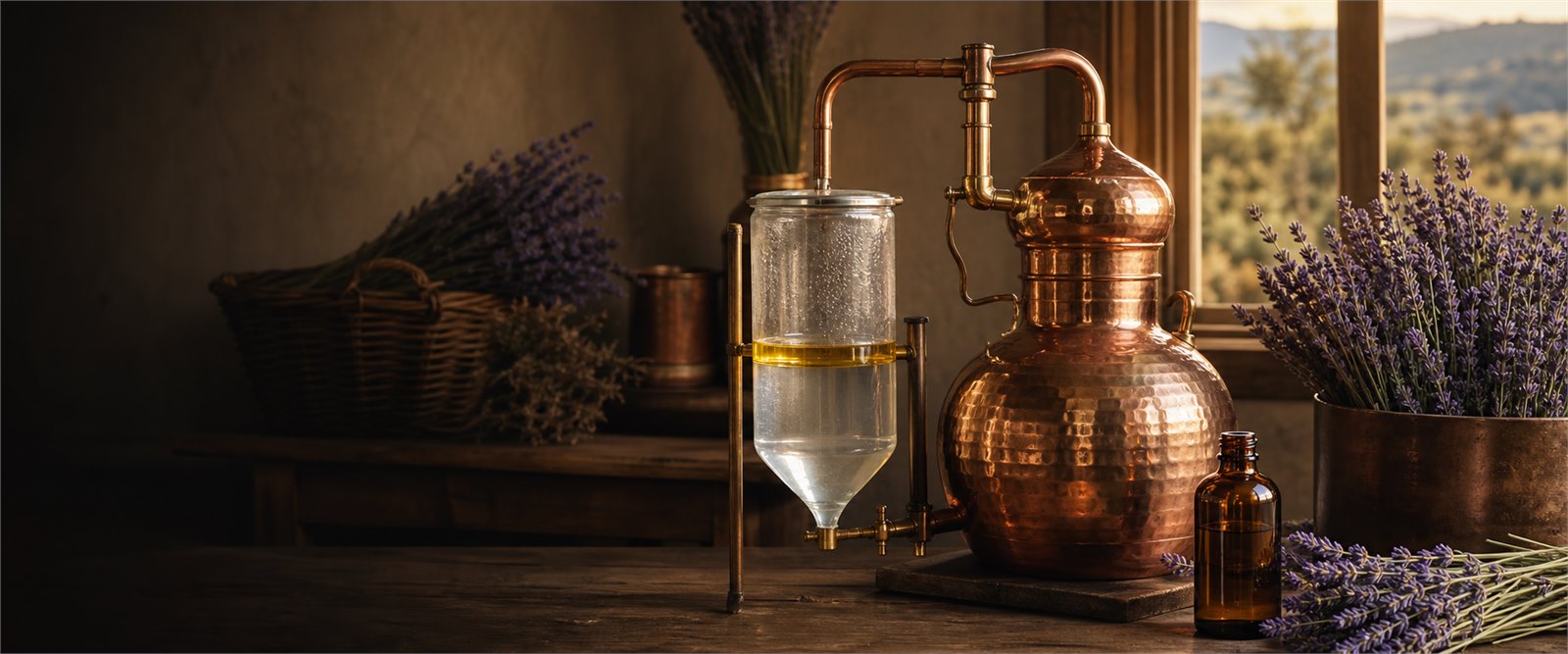
Understand what is in lavender oil.
Compare growing regions, aromatic compounds and steam-distillation choices in one focused guide.
 EXPLORE ORIGIN & PRODUCTION →
LAVENDER ESSENTIAL OIL BLENDS BEAUTIFULLY WITH
Build your lavender essential oil palette.
These essential oils are useful companions across the educational recipe library.
COMMON QUESTIONS
Lavender essential oil questions, answered clearly.
Practical answers for everyday aromatic use, dilution and choosing the right lavender type.
Lavender essential oil is commonly used to scent a room, mark an evening wind-down, and add fragrance to properly diluted body or scalp oils. Research does not support treating it as a replacement for medical care.
Many adults can use a modest amount aromatically or in a low topical dilution, but daily use is not necessary. Ventilate during diffusion, patch-test topical blends, and stop if you notice irritation, coughing, headache or other discomfort.
Do not apply undiluted essential oil directly to skin. For an adult body oil, a conservative starting point is 2 drops in 10 mL of carrier oil; patch-test first and avoid eyes, mucous membranes, broken skin and irritated areas.
True Lavender, or Lavandula angustifolia, usually has a softer floral-herbal profile and less camphor. Lavandin, or Lavandula × intermedia, is typically brighter and more camphoraceous, so it suits daytime diffusion and fresh-home blends.
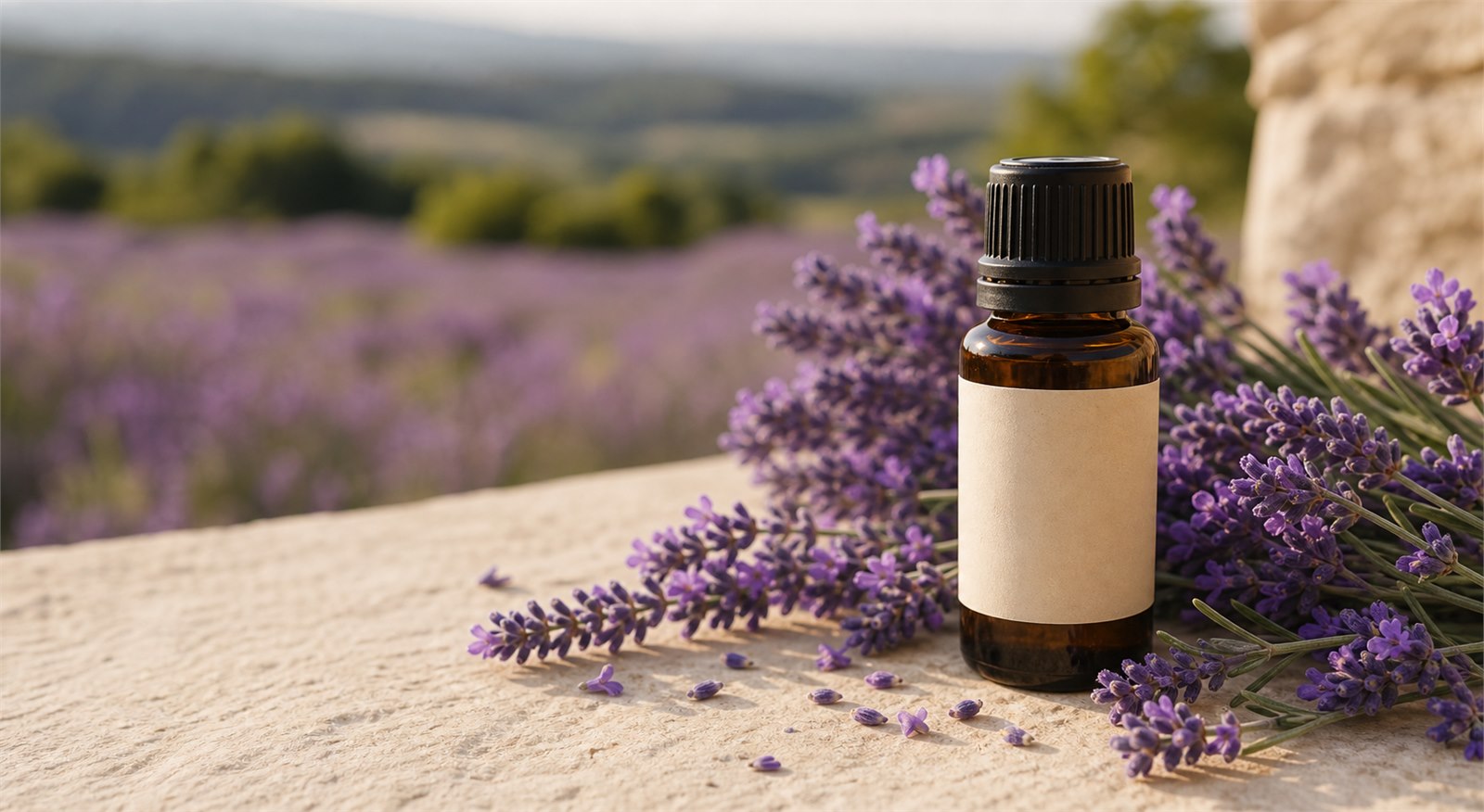
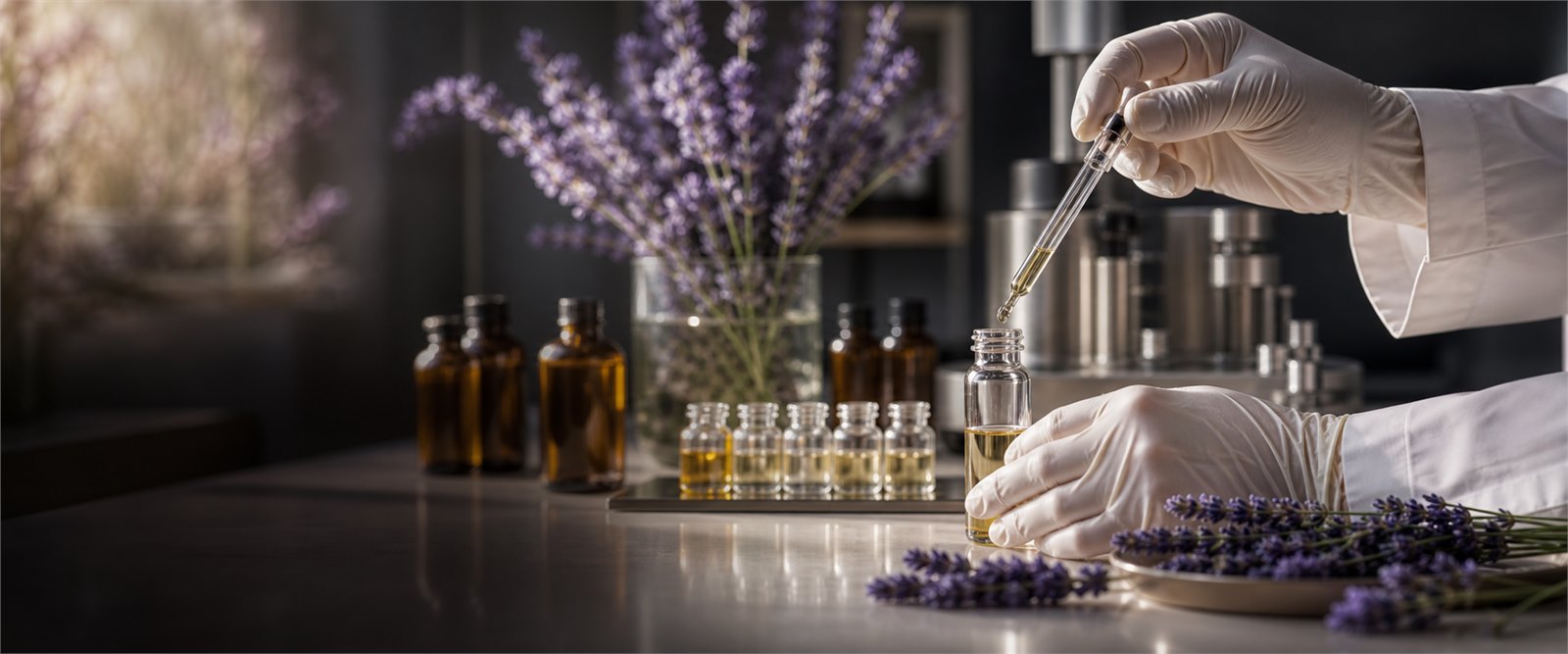
LAVENDER IN DAILY LIFE
NOW ON PRODUCT HUNT
VIEW ON PRODUCT HUNT →
Follow the Lavender Essential Oil Benefits launch.
See the project page, explore the guide and share practical feedback with the maker.
MEDICAL DISCLAIMER
This information is educational. Essential oils are not approved to diagnose, treat, cure or prevent disease. Seek medical care for persistent or serious symptoms.
Sources: NCCIH and European Medicines Agency.